A CPSC warning, not a recall
The seller hasn't agreed to recall this product, so there's no refund, repair or replacement. CPSC says to stop using it.
CPSC warns of fire and burn risk from HAIARA power banks
The U.S. Consumer Product Safety Commission (CPSC) warns consumers to stop using about 210,000 HAIARA W5 PRO power banks sold on Amazon.com and Newegg.com, because the internal lithium battery can explode and ignite. CPSC is aware of 600 reports of fire, explosion, and other thermal incidents, including three burn injuries and nine reports of property damage. The Chinese manufacturer, Shenzhen Joway Power Supply Co., Ltd., has not responded to CPSC requests for a recall.
From the CPSC notice · Read the official notice ↗
What to do
- Stop using the HAIARA power banks immediately.
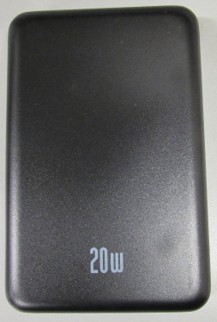
- Check the side for "Model: W5 PRO" and the front for "20W." This warning applies to units with no date code (YYYYMMDD) printed on the side.
- Do not sell or give away these power banks.
- Dispose of them under local hazardous waste procedures. Do not put them in the trash, curbside recycling, or retail battery recycling boxes.
- Contact your municipal household hazardous waste center before bringing it in, and ask whether it accepts defective lithium-ion batteries. If not, ask your municipality for guidance.
Is yours affected?
Compare your label or packaging with the product in the warning.
- Product
- HAIARA power banks
- Sold at
- Amazon.com and Newegg.com
- Sold in
- Nationwide
- Made for
- All ages
Photos from the CPSC

Details
- Units affected
- About 210,000
- Injuries reported
- CPSC is aware of 600 reports of fire, explosion, and other thermal incidents, including three reports of burn injuries and nine reports of property damage.
- Illnesses reported
- Yes
- Manufactured in
- China
- Warning number
- 27-077
In the CPSC's words
- Description
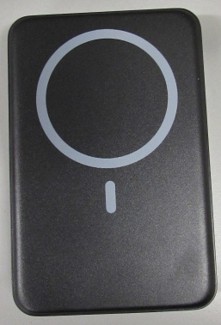
- The U.S. Consumer Product Safety Commission (CPSC) is warning consumers to stop using the HAIARA power banks immediately because the internal lithium battery can explode and ignite, posing fire and burn hazards to consumers. CPSC urges consumers to stop using the HAIARA power banks immediately and dispose of them according to local hazardous waste disposal procedures. Do not sell or give away these hazardous products. Note: Do not throw this lithium-ion battery or device in the trash, the general recycling stream (e.g., street-level or curbside recycling bins), or in used battery recycling boxes found at various retail and home improvement stores. Defective lithium-ion batteries must be disposed of differently than other batteries, because they present a greater risk of fire. Your municipal household hazardous waste (HHW) collection center may accept this lithium-ion battery or device for disposal. Before taking your battery or device to a HHW collection center, contact it ahead of time and ask whether it accepts defective lithium-ion batteries. If it does not, contact your municipality for further guidance. The Chinese manufacturer, Shenzhen Joway Power Supply Co., Ltd., has been unresponsive to CPSC requests for a recall or information about this product. One Amazon seller, Mitrytech, has agreed to a recall. Amazon seller Geralde-US has not responded to CPSC requests for information about this product or a recall. Amazon seller Woot has refused to conduct a recall. The products were manufactured in China. This warning involves HAIARA power banks, model W5 PRO. The power banks are black and have “20W” printed on the front and “Model: W5 PRO” printed on the side. The brand name HAIARA is included on some purchase receipts. This warning applies to power banks with no date code (formatted “YYYYMMDD”) printed on the side.
- Hazard
- The power bank’s lithium battery can explode and ignite, posing fire and burn hazards to consumers.
- What CPSC says to do
- CPSC urges consumers to stop using the HAIARA power banks immediately and dispose of them according to local hazardous waste disposal procedures. Do not sell or give away these hazardous products.
More from HAIARA
 HAIARA W5 PRO power banks recalled over fire and burn hazards
SeriousCPSCOct 29, 2026