Serious riskCPSC
LiCB CR2032 lithium coin batteries recalled for ingestion risk
LiCB lithium coin batteries (CR2032, sold in packs on Amazon) lack child-resistant packaging and required warning labels as mandated by federal law. If swallowed, these batteries can cause serious internal chemical burns and death.
From the CPSC notice · Read the official notice ↗
What to do
- Stop using the batteries immediately.
- Store them where children cannot reach them.
- Contact LiCB for a full refund and proper disposal instructions.
- Dispose of batteries according to your local hazardous waste guidelines — do not throw in regular trash.
Is yours affected?
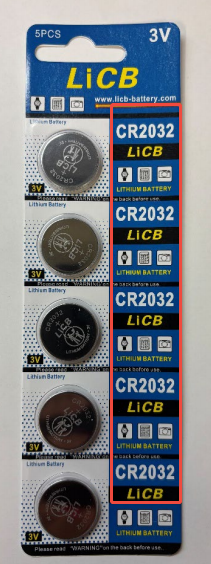
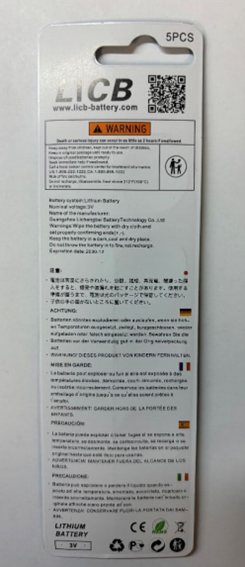
Compare your label or packaging with the recalled product.
- Product
- LiCB CR2032 3V Lithium Coin Batteries
- Sold at
- Online at Amazon.com in February 2026 for about $6.
- Sold in
- Nationwide
- Made for
- All ages
- On our parents list
- Because it can endanger children at home.
Photos from the CPSC
Details
- Units affected
- About 94,000
- Injuries reported
- None reported
- Illnesses reported
- None reported
- Fix
- Refund
- Manufactured in
- China
- Company contact
- LiCB by email at LiCBCR2032CoinBatteryrecall@outlook.com.
- Recall number
- 26484
In the CPSC's words
- Description
- This recall involves LiCB-branded lithium coin batteries. The three-volt silver batteries were sold in packs of two, each with five batteries. The brand name and "CR2032" are embossed on the battery and printed on the product packaging.
- Hazard
- The recalled coin batteries are not in child-resistant packaging and do not bear the warning labels required under?Reese's Law.?When button cell or coin batteries are swallowed, the ingested batteries can cause serious injuries, internal chemical burns, and death.
- Remedy
- Consumers should stop using the coin batteries immediately, place them in an area that children cannot access, and contact LiCB for a full refund. Consumers will be asked to dispose of the batteries according to local hazardous waste guidelines. Note: Button cell and coin batteries are hazardous. Batteries should be disposed of or recycled by following local hazardous waste procedures.